
Quan Nha Haha: Spreading heritage values, connecting culture and tourism
12:30 22/11/2026
Bao Tin Tuc - Through practical experiences at historical relics, traditional craft villages, and local cultural spaces
the program Quan Nha Haha contributes to spreading heritage values, promoting destinations, and bringing regional culture closer to the public.
Spreading guidelines and policies through cultural stories
Broadcast since October 17, 2026, the reality television program Quan Nha Haha quickly attracted the attention of the audience, becoming a bright spot in the socialization activities of promoting culture and tourism. The program continuously holds the Top 1 rating position on VTV3, with each episode reaching 3 to 6 million views on the YouTube platform and leading the interaction rankings.
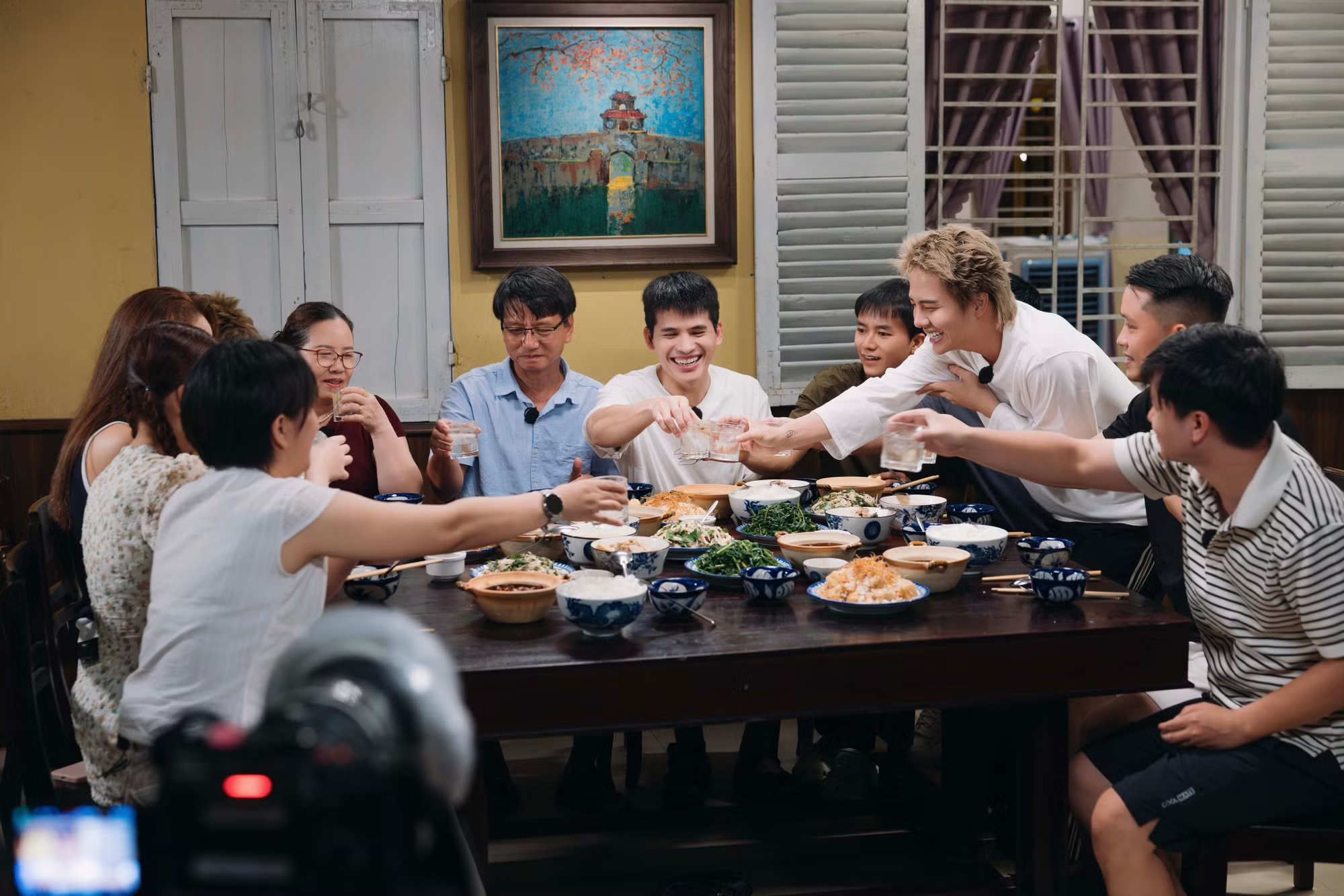
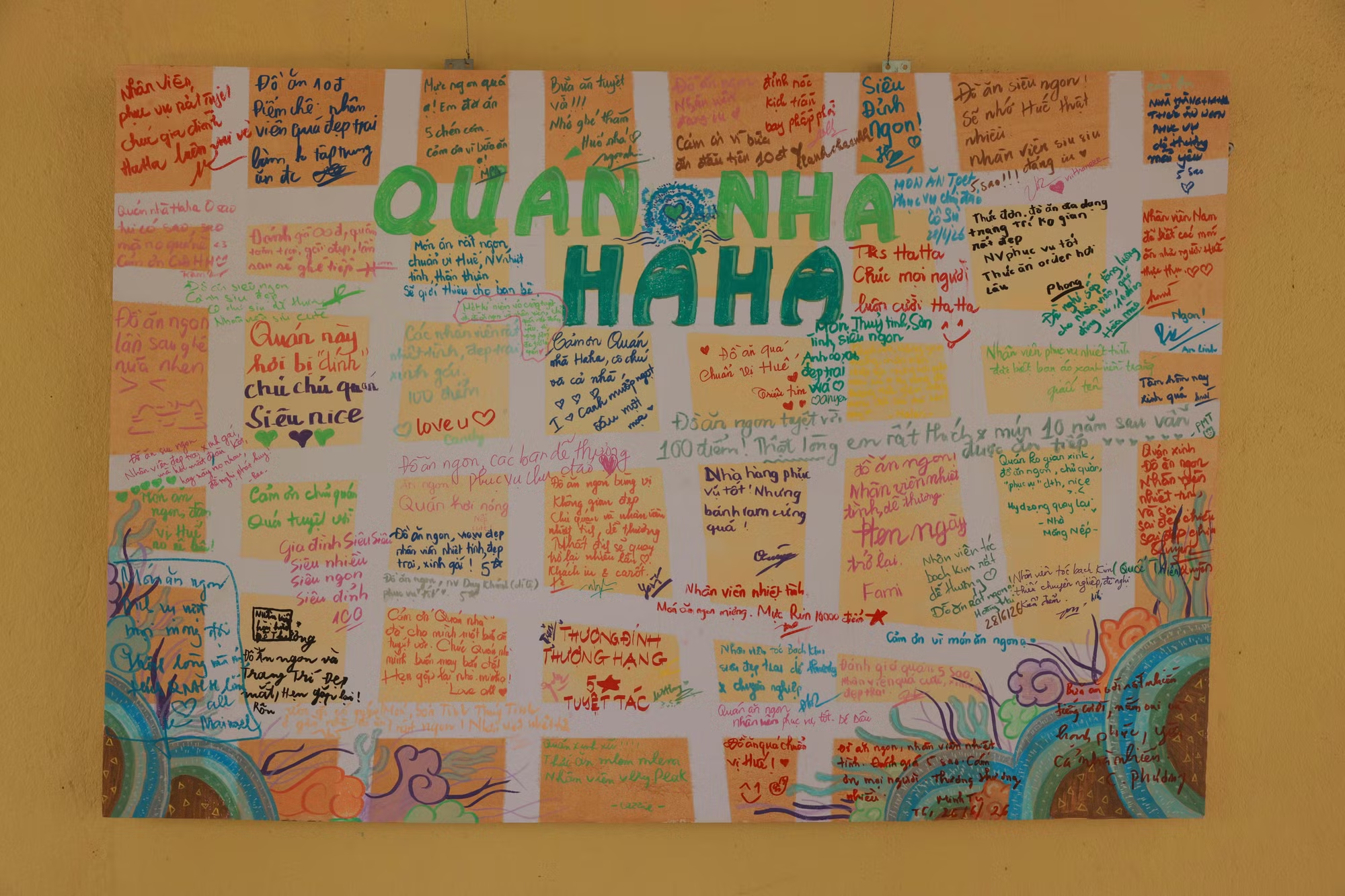
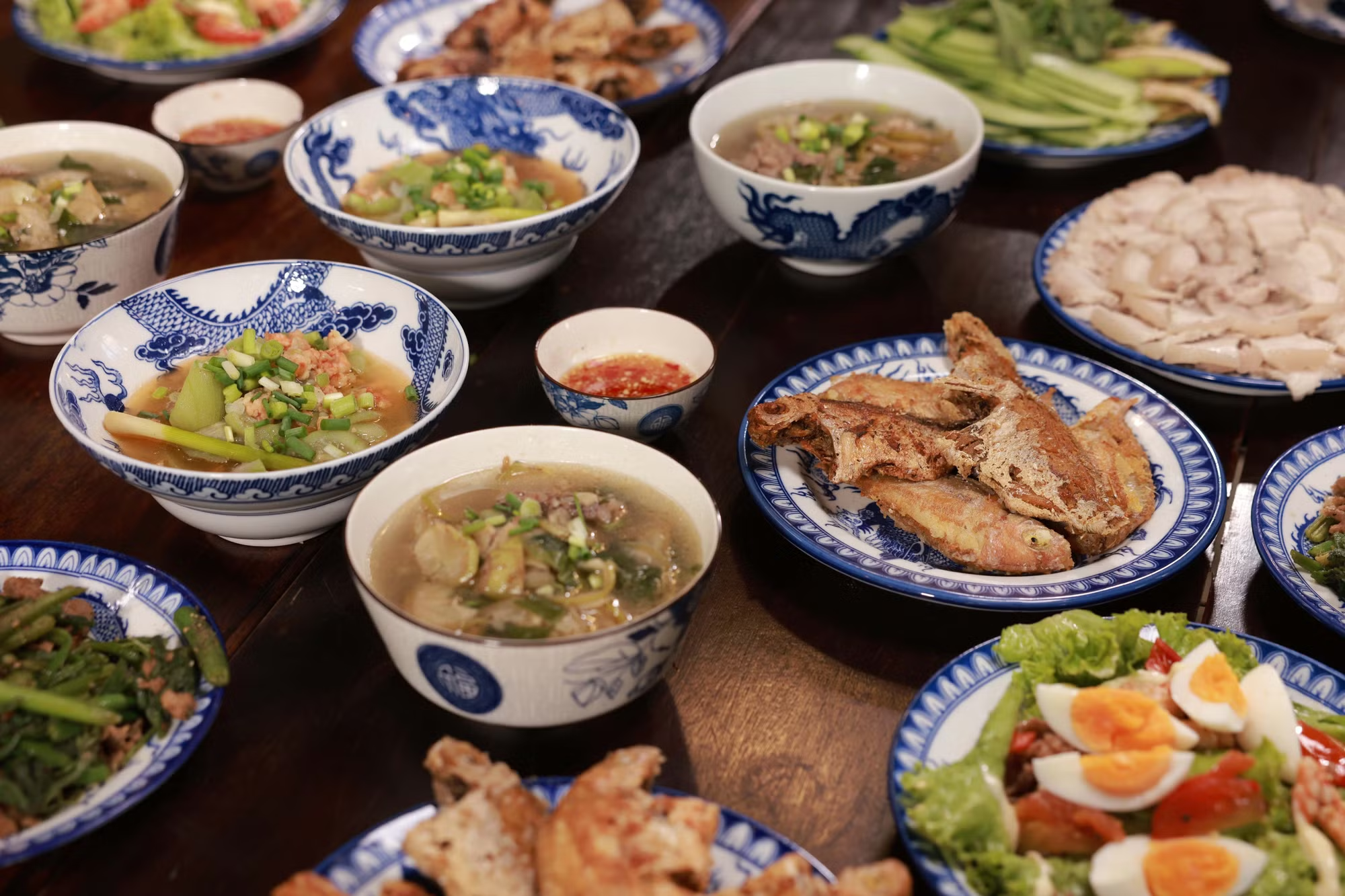
The experiences at cultural and historical destinations contribute to creating the attraction for the program Quan Nha Haha, while simultaneously promoting the images of localities on digital platforms.
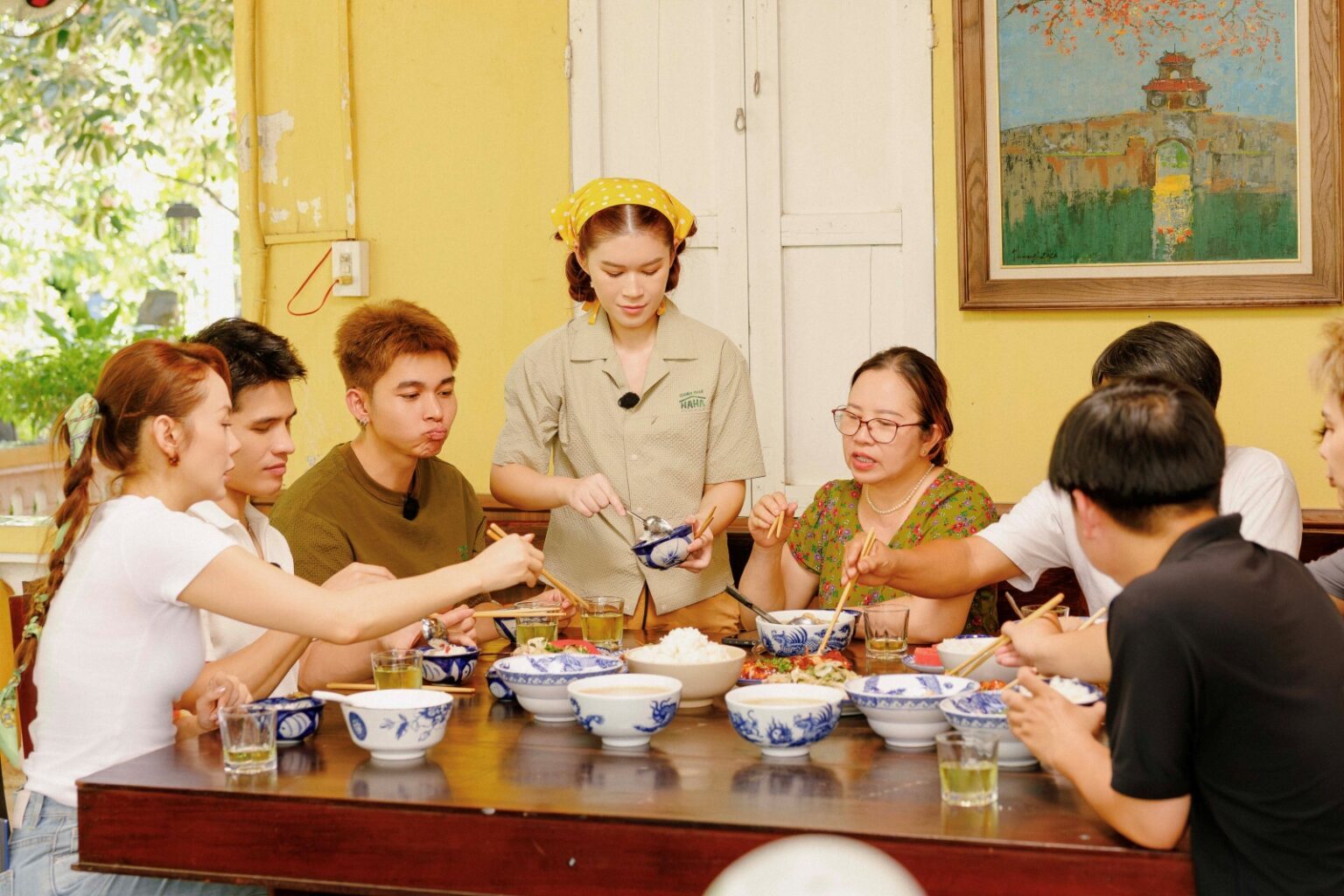
Notably, after episode 4 with the setting in the Imperial City of Hue aired, keywords related to Phuoc Tich ancient village and Hue cuisine continuously led search trends on digital platforms. The audience's interest shows the appeal of indigenous cultural values when introduced through modern media forms, combining practical experience and entertainment language.
In the context where culture is increasingly identified as an endogenous resource, soft power, and driving force for national development, entertainment programs associated with history, heritage, cuisine, and local life are opening up a new approach in cultural promotion. Instead of just introducing one way information, Quan Nha Haha lets the members directly experience, interact with local people and artisans, and explore the distinctive features of each region.
Through that, stories about history, people, customs, and local identity are told in a vivid and relatable television language, helping the audience gain more perspectives on the culture of various regions.
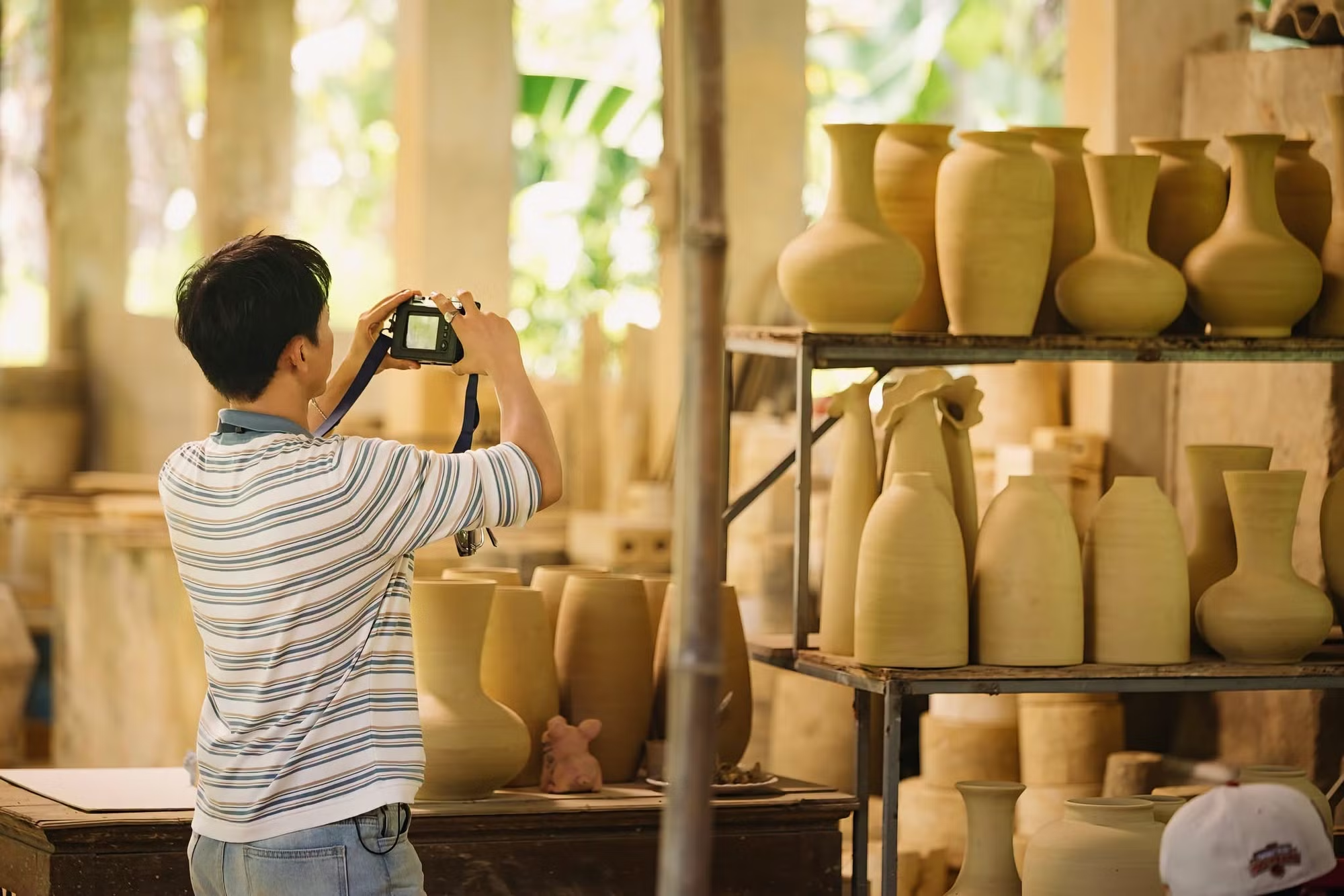
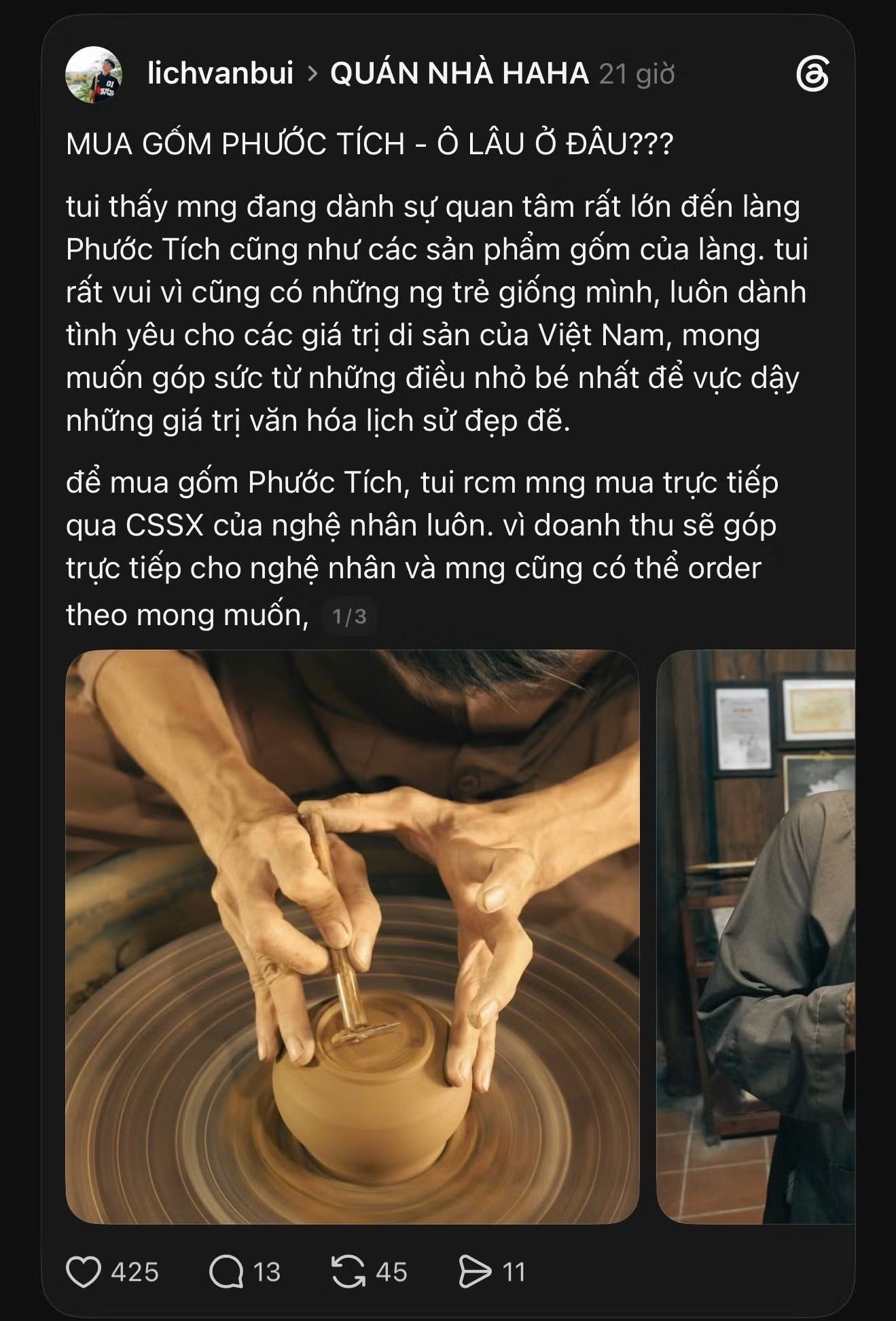
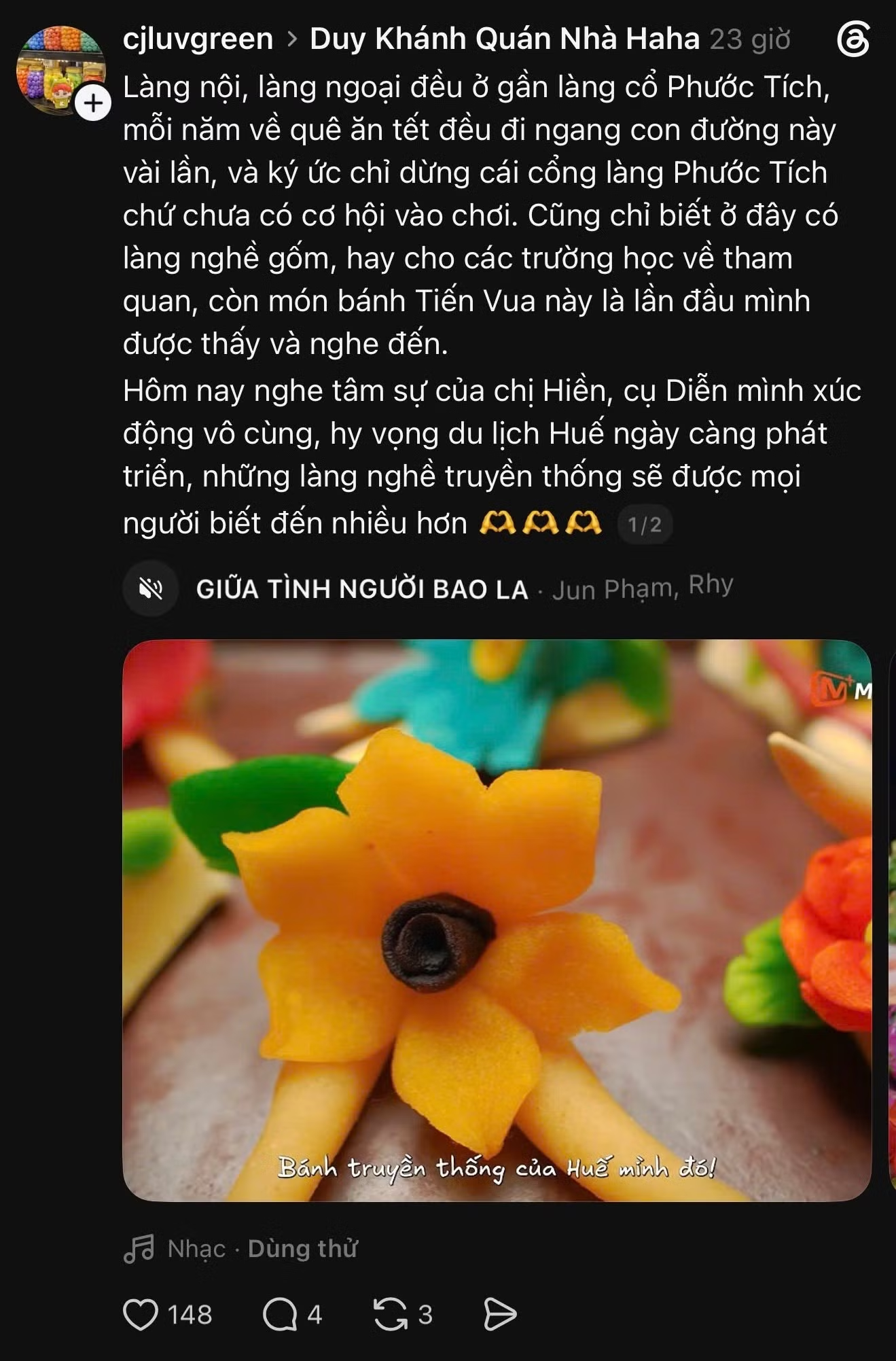
The program Quan Nha Haha brings cultural and heritage stories closer to the public through a combination of practical experience and entertainment. This approach aligns with the spirit of Resolution No. 80 on developing Vietnamese culture, which emphasizes the requirement to promote cultural values, let culture permeate deeply into social life, and become a resource for development. Simultaneously, connecting cultural experiences with destination promotion, introducing local cuisine and identity also contributes to implementing the orientation of Resolution No. 26 on tourism development, aiming towards diversifying products, improving experience quality, increasing the attractiveness of destinations, and gradually turning tourism into a spearhead economic sector in the new era.
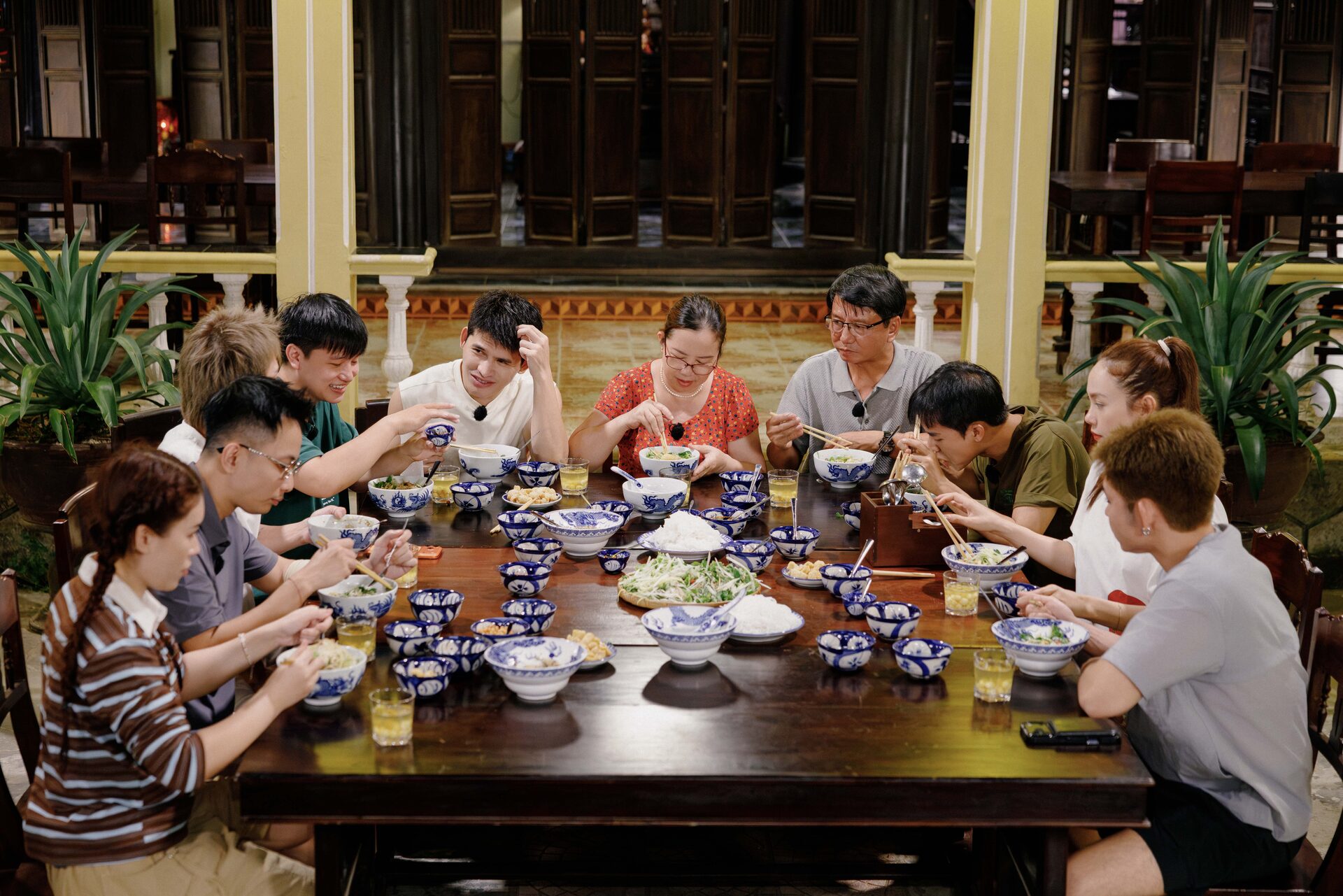
Through the broadcast episodes, Quan Nha Haha takes the audience to many historical relics, scenic spots, traditional craft villages, and characteristic cultural spaces of the localities. At each destination, the cast not only directly explores and experiences but also meets local people and artisans, listening to stories about history, traditional crafts, and indigenous life. Those experiences contribute to introducing heritage values in a relatable way, while simultaneously arousing interest and the desire to learn about and explore destinations among the public.
Empowering traditional craft villages, spreading historical values, and architectural beauty
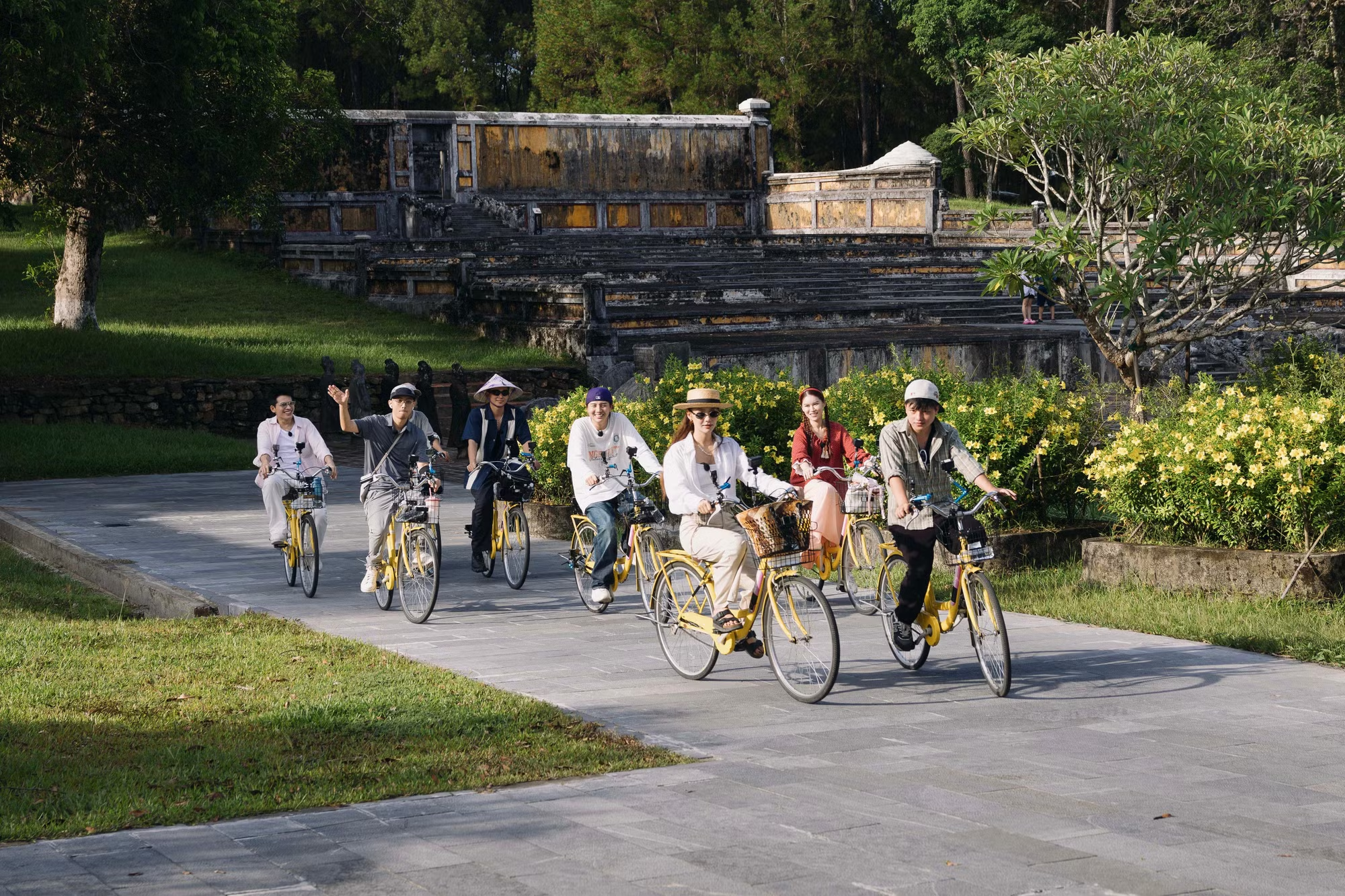
The beauty of architecture and landscape at Gia Long tomb is introduced to the audience through the program Quan Nha Haha.
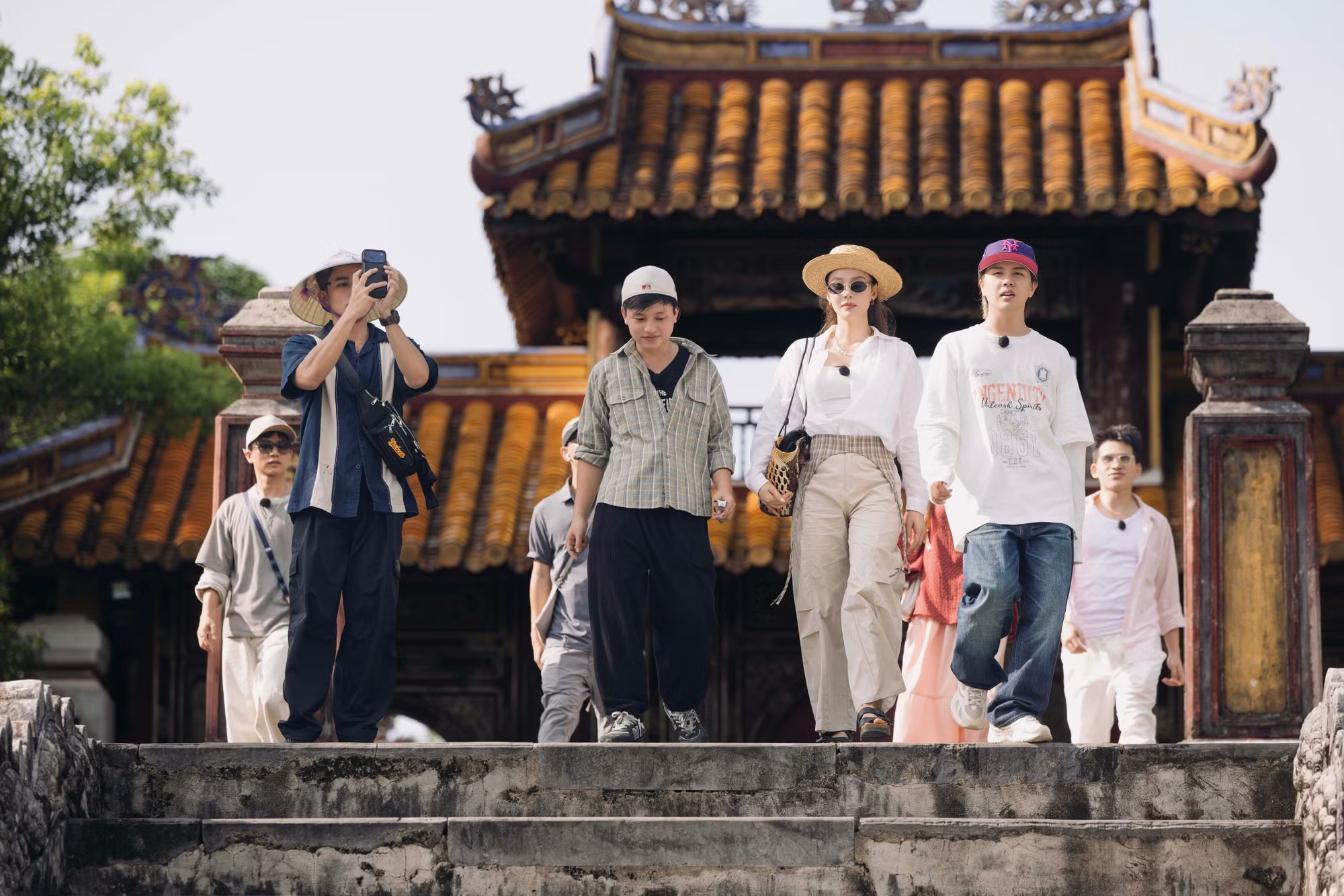
The members learn about the architecture of Minh Thanh palace, the structure worshiping King Gia Long and the empress, which was completed in 1820.
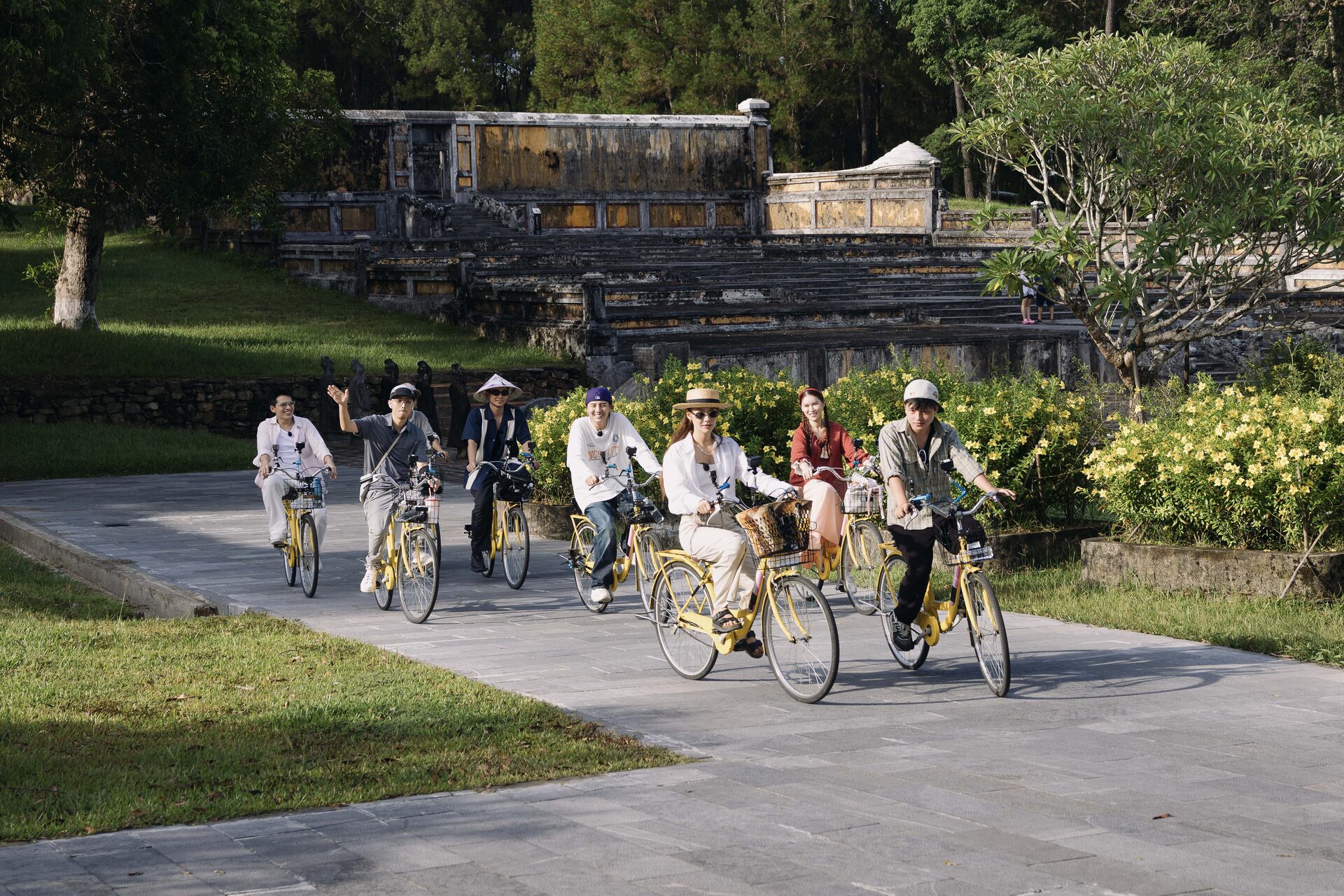
In episode 5, the cast of Quan Nha Haha cycles to visit Gia Long tomb, learning about the architecture of Minh Thanh palace, Gia Thanh palace, along with the historical stories associated with the relic. Also known as Thien Tho Lang, Gia Long tomb is a structure belonging to the Complex of Hue Monuments.
The group's first stop is Minh Thanh palace, the place of worship for King Gia Long and the empress, which was completed in 1820. Here, the members both admire the peaceful natural scenery and listen to introductions about the structure's architecture and the historical stories associated with the relic. The cast also has the opportunity to visit Gia Thanh palace, continuing to explore the characteristic architectural marks of the tomb area.
Through the sightseeing trip, the historical and architectural values of the Hue Imperial City heritage are introduced visually and vividly. Letting the artists directly experience, learn, and share their feelings also contributes to bringing historical stories closer to the audience, especially young people.
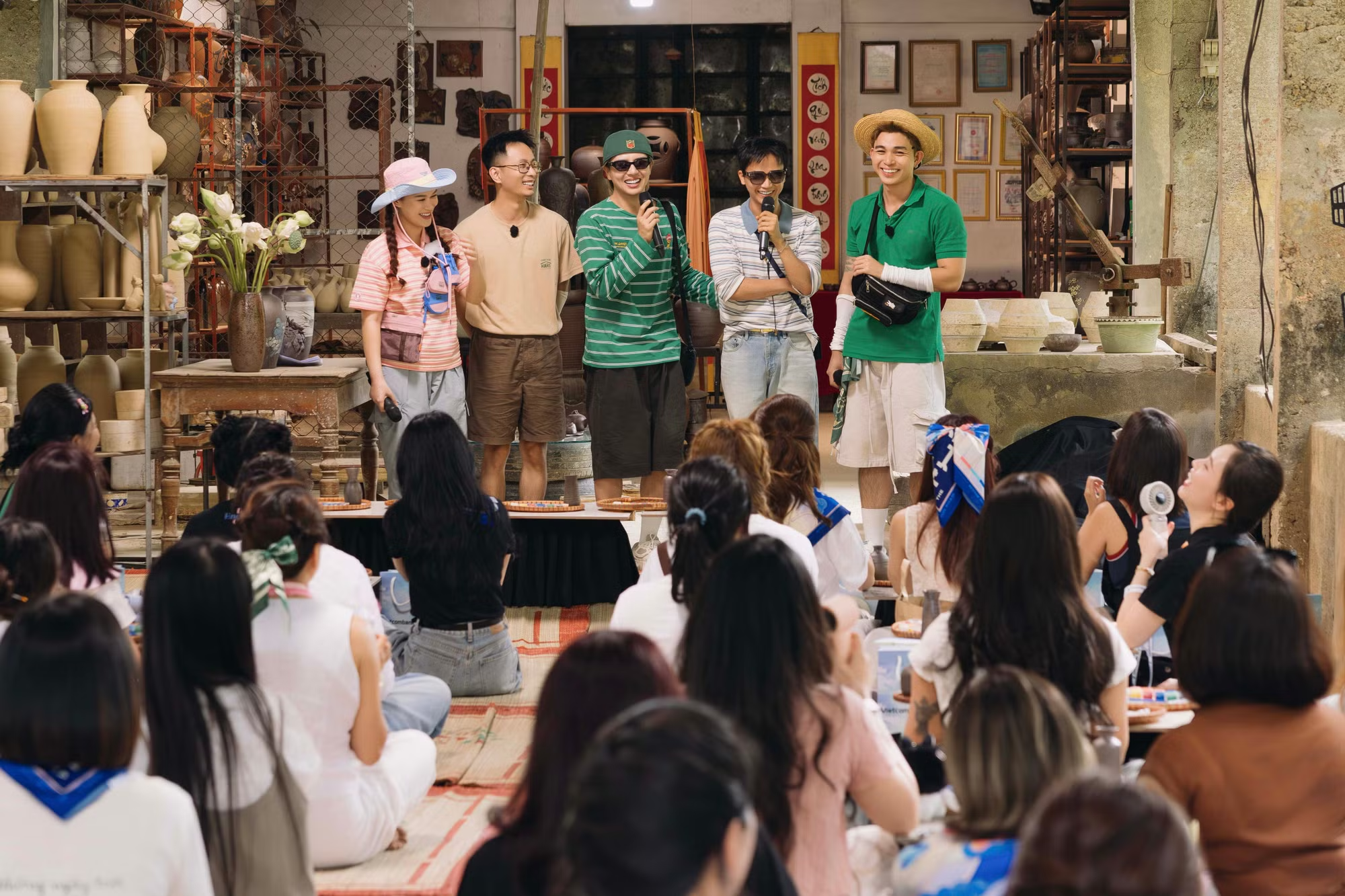
The members express their fondness for the creative spirit and love for the craft of the artisans and people of Phuoc Tich ancient village.
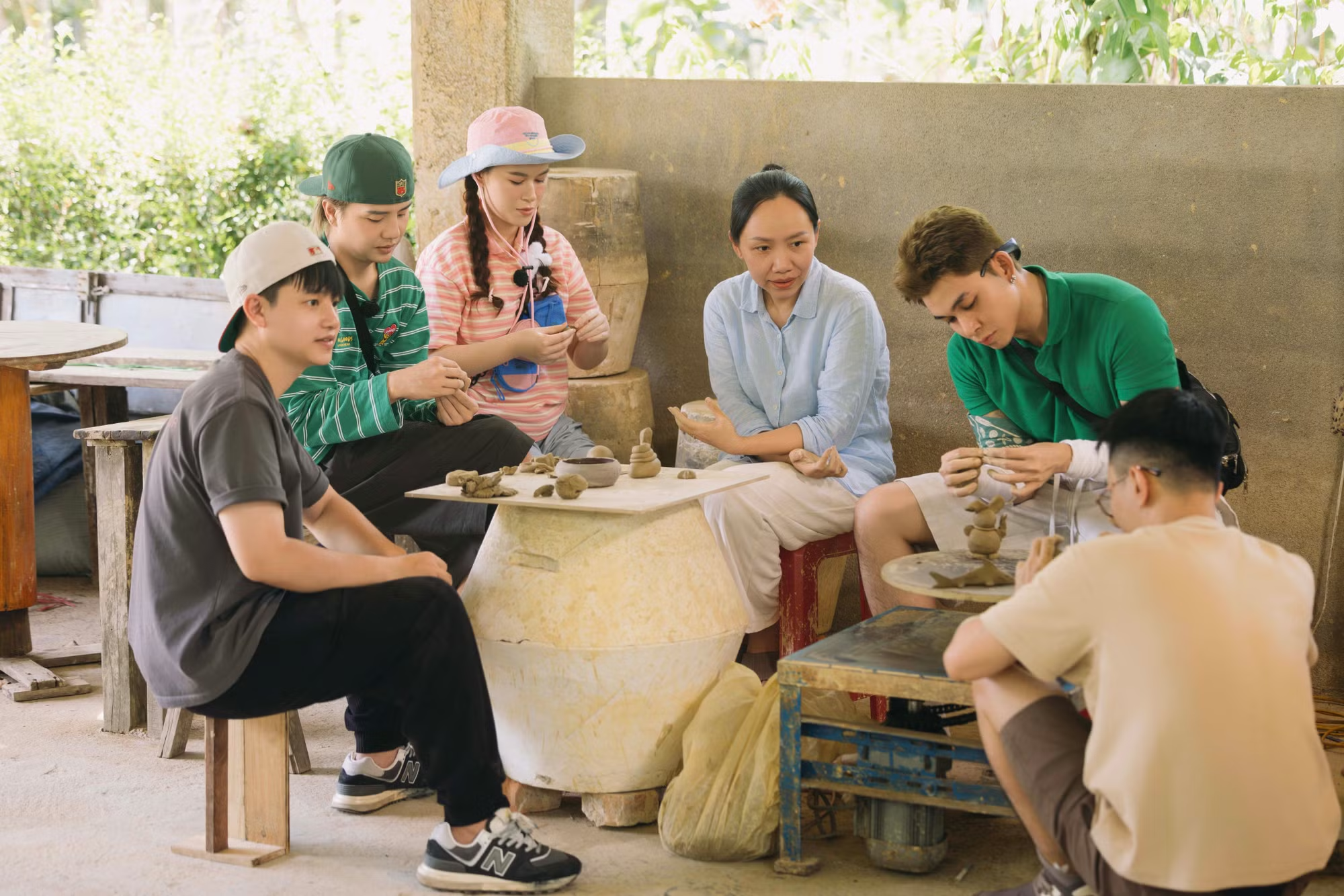
Quan Nha Haha contributes to reviving Phuoc Tich ancient village, Hue
Not only exploring heritage structures, in episode 4, the cast also has the opportunity to learn about Phuoc Tich ancient village, one of the oldest villages in Hue, which was formed in 1470. Passing through more than 550 years, this place still preserves the system of ancient ruong houses, family ancestral temples, communal houses, and pagodas along with a countryside landscape bearing the strong characteristic features of the imperial land.
Besides architectural values, the traditional pottery craft is the mark that makes up the village's reputation. With local clay sources and crafting techniques passed down through many generations, Phuoc Tich craftsmen used to create many products serving daily life such as large jars, crocks, water jars, clay pots, small cooking pots, and kettles.
In particular, the small earthenware pots that were once chosen to cook rice offered to the Nguyen dynasty kings contributed to creating the reputation for the craft village. During the sightseeing trip, the meeting with elderly artisan Dien, the oldest pottery artisan in the village, became a meaningful highlight. Through the artisan's stories, the members had the opportunity to understand more about pottery making techniques, the famous earthenware pot, as well as the pride of the local people towards their hometown products.
Behind the stories about the prosperous period of the craft village are concerns about preserving and developing the traditional craft. Although there have been many restoration efforts, Phuoc Tich pottery craft still faces quite a few difficulties, especially the issue of succeeding human resources. Those who remain attached to the craft are mostly elderly, while many young people leave their hometown to study and build careers elsewhere. That reality is also shown through the story of sister Hien, who left the city to return to her hometown after 18 years with the desire to contribute to developing tourism and introducing the cultural values of Phuoc Tich.
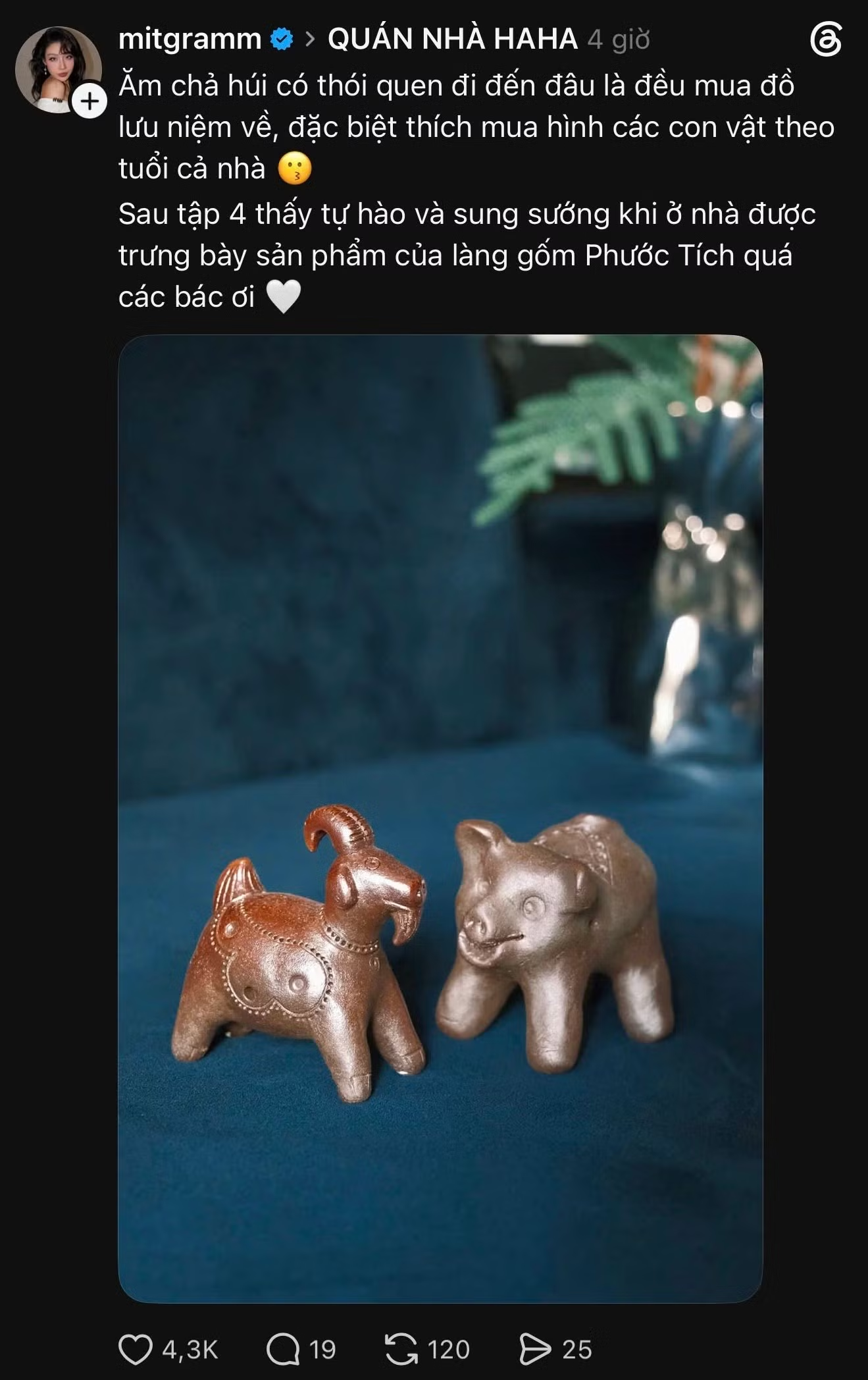
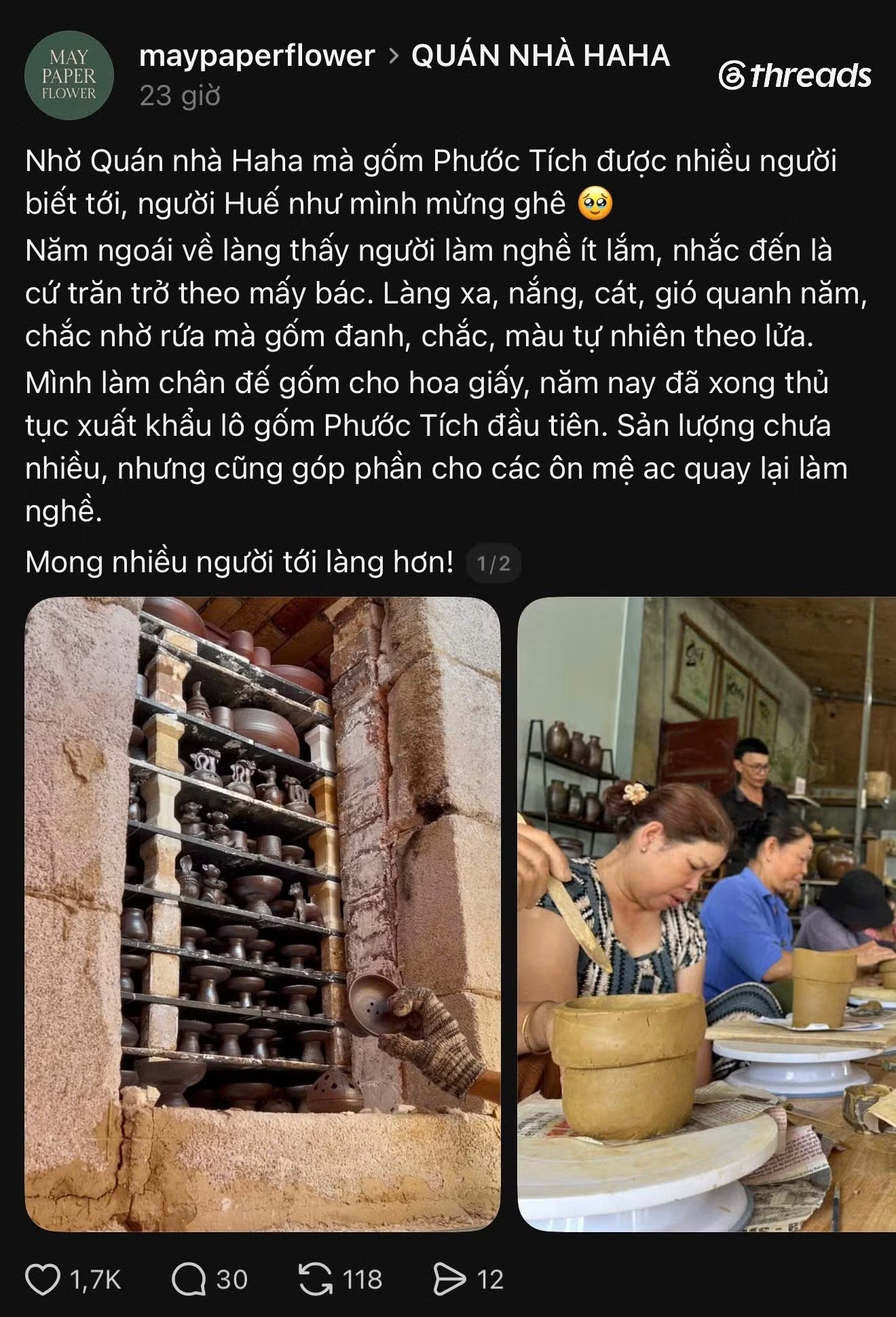
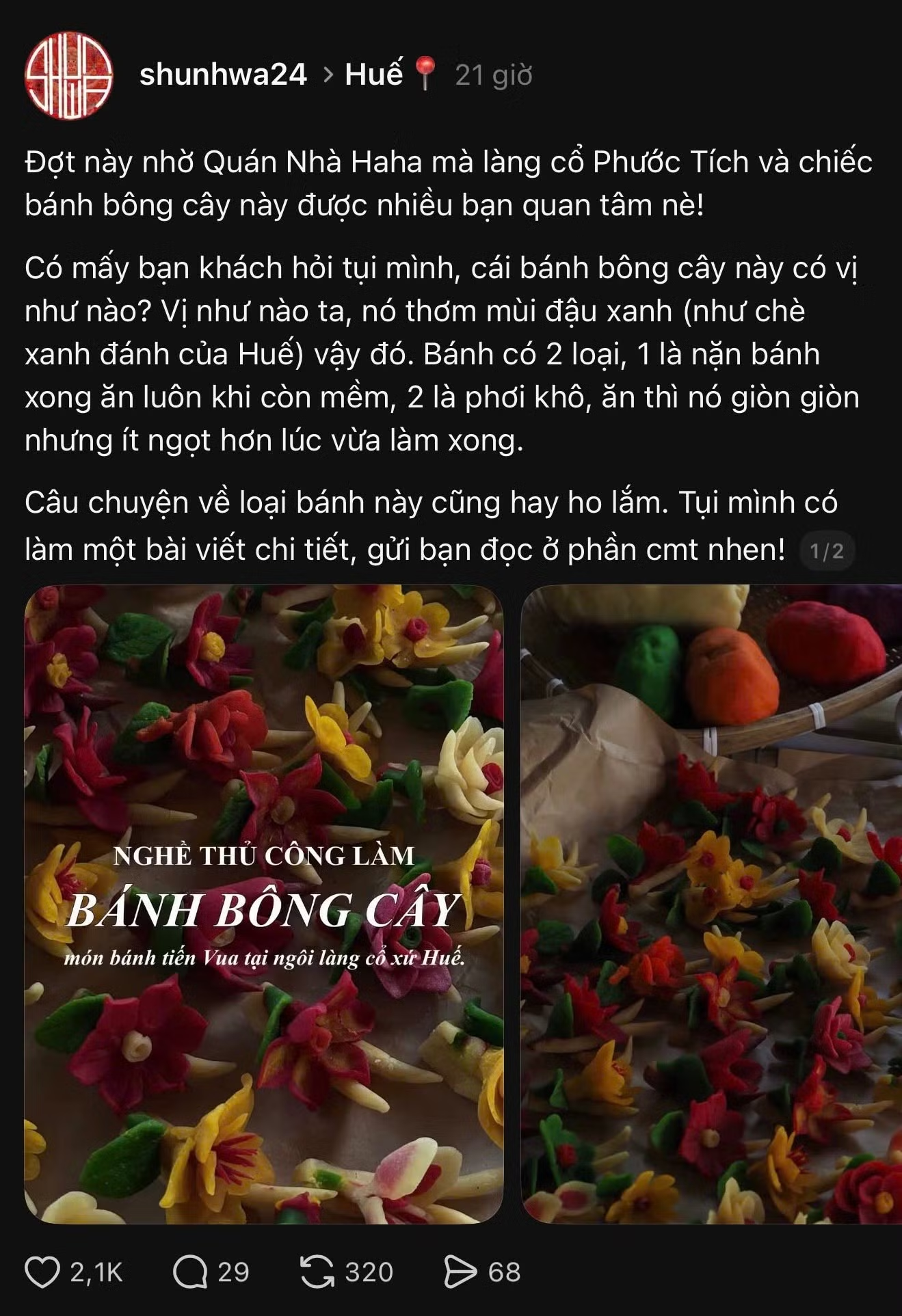
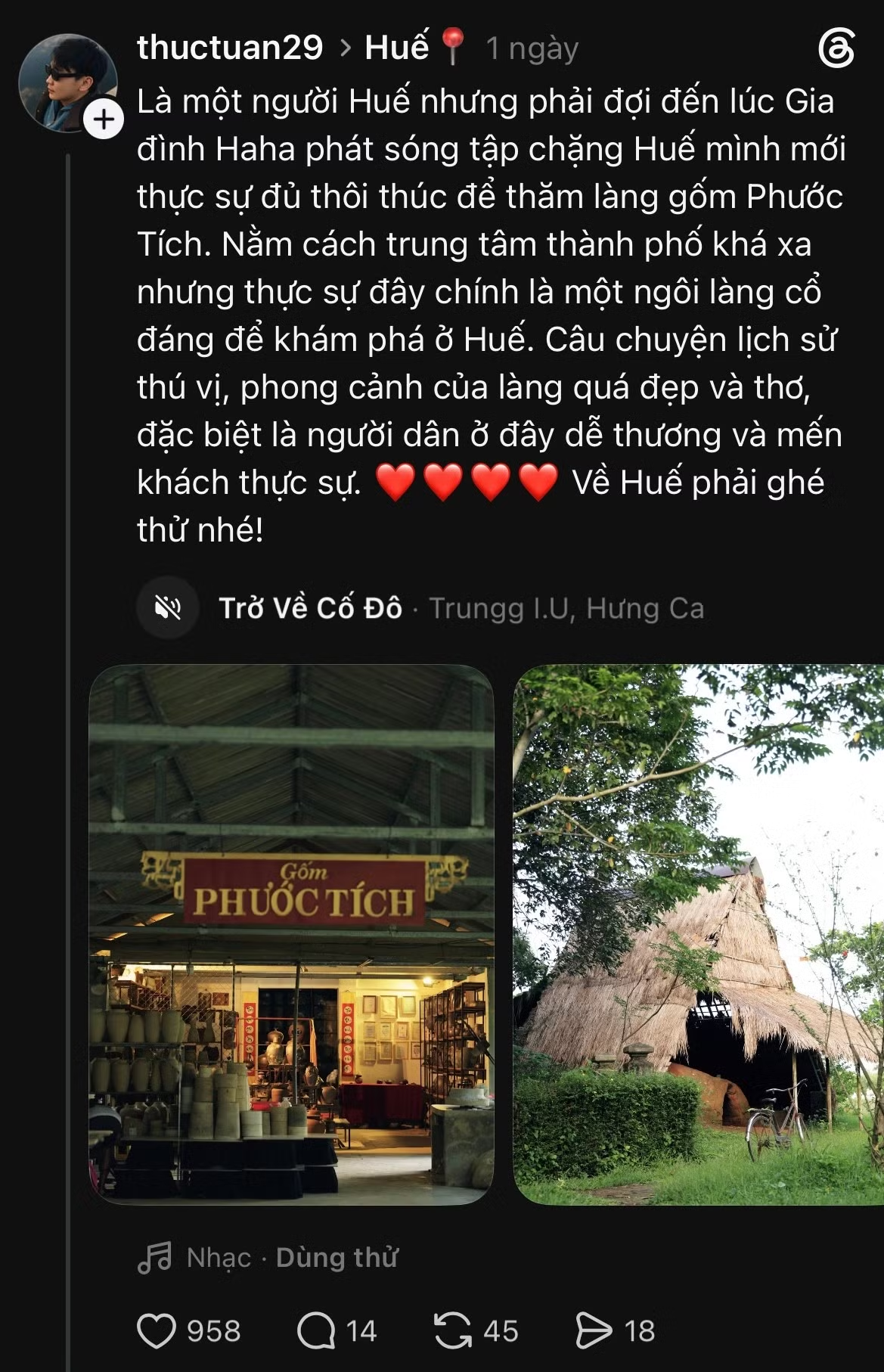
The audience's interest after the program aired brings more opportunities to promote traditional pottery products of Phuoc Tich.
Listening to those heartfelt thoughts, the members of Quan Nha Haha came up with many ideas, while simultaneously expressing hope that Phuoc Tich ancient village can find a suitable tourism development direction, both promoting its potential and preserving its inherent values. Sharing his feelings about the sightseeing trip, Hai Thien (Rhymastic) said he particularly loves the artistic spirit of the people and artisans here. From the way they make pottery to the way they tell stories about the village, everything made him feel their enthusiasm and love for the craft. That very thing made the male artist want to linger longer to continue exploring Phuoc Tich.
Notably, after the story about Phuoc Tich pottery village was introduced in the program, sister Hien and the local people received much attention and support from the audience. The volume of orders surged suddenly, along with many encouraging and sharing messages sent to them. Although she and her associates are overloaded and have not been able to process all orders yet, she still wishes to welcome everyone's affection and will sequentially complete the placed orders. For sister Hien, each order is an encouragement, like bricks contributing to building the foundation for the next development journey of the craft village.
From historical structures to traditional craft villages, Quan Nha Haha shows that culture is not only present in relics and heritage, but is also preserved through professions, lifestyles, and love for the homeland of each community. When those stories are told in a relatable and attractive entertainment form, cultural values have more opportunities to spread, creating a connection between heritage and contemporary life.
Read the article: Here.
Bài viết mới
Xem tất cả bài viết
Tin tức báo chí
Quán Nhà Haha: Lan tỏa giá trị di sản, kết nối văn hóa và du lịch
Báo Tin Tức - Thông qua những trải nghiệm thực tế tại các di tích lịch sử, làng nghề truyền thống và không gian văn hóa địa phương
Tin tức báo chí
Khám phá cảnh đẹp Phá Tam Giang cùng dàn cast Quán Nhà Haha
bazaarvietnam - Tập 3 Quán Nhà Haha đưa dàn cast đến Phá Tam Giang khám phá cảnh sắc hoàng hôn, trải nghiệm bắt trìa và có những phút giây gắn kết đáng nhớ cùng gia đình chủ nhà tại làng Nham Biều.
Tin tức báo chí
Quán Nhà Haha tập 3: Khám phá ẩm thực Huế, trải nghiệm Phá Tam Giang
Báo Tin Tức - Tập 3 “Quán Nhà Haha” tiếp tục hành trình bán quán tại làng Nham Biều (Huế), đưa các thành viên trải nghiệm bắt trìa ở Phá Tam Giang, khám phá cách chế biến những món ăn đặc trưng